
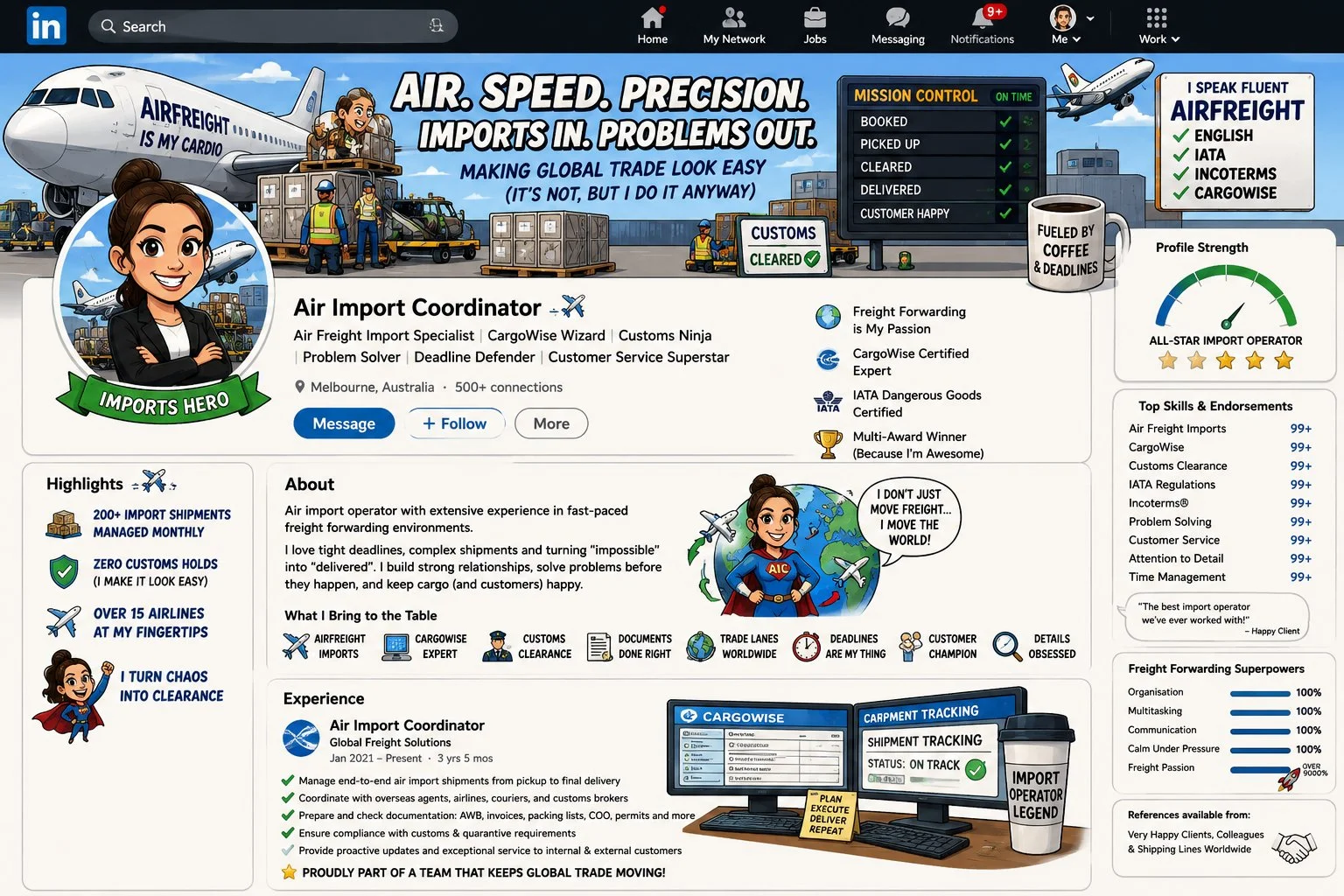
In today's freight forwarding job market, recruiters no longer rely solely on job applications. Many actively search LinkedIn every day to identify experienced freight forwarding professionals with the right industry knowledge, software experience and trade lane expertise.
The problem is that many candidates unintentionally make themselves difficult to find. Their profiles don't contain the keywords, achievements or operational detail that hiring managers are searching for.
If you're looking to secure your next freight forwarding job, these simple improvements can make your profile significantly more visible.
Start With a Professional LinkedIn Headline
Your headline is one of the first things recruiters see, and it also plays an important role in LinkedIn's search algorithm.
Rather than simply listing your current job title, include the areas you specialise in.
For example: Import Operator | Ocean Freight Specialist | CargoWise User | Asia-Europe Trade Lanes
This immediately tells employers:
- Your role
- Your freight forwarding specialism
- The software you use
- The markets you have experience managing
It also improves your chances of appearing in recruiter searches for freight forwarding jobs.
Use a Professional Profile Photo
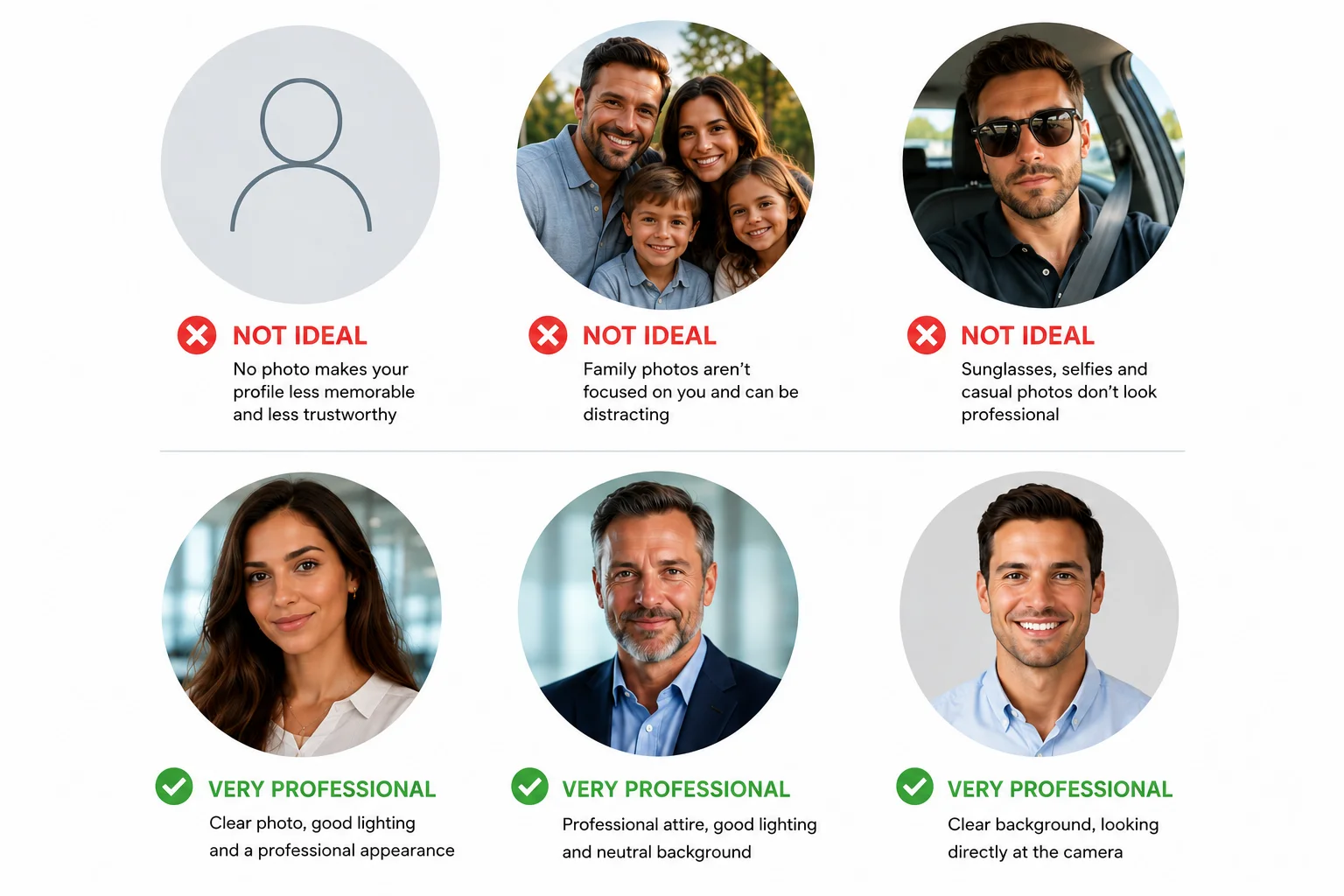
Your LinkedIn profile photo is often the first thing recruiters and hiring managers notice, so it's worth investing a few minutes to get it right.
You don't need professional photography, but your image should look professional and reflect how you would present yourself in the workplace.
Avoid:
- Holiday photos
- Wedding or family pictures
- Car selfies
- Group photos
- Sunglasses
- Poor lighting
A simple headshot with good lighting, a neutral background and professional attire creates a much stronger impression.
Remember, your LinkedIn profile is not Facebook or Instagram. Recruiters and hiring managers are assessing whether you would represent their business professionally when dealing with customers, airlines, shipping lines, hauliers, customs authorities, and colleagues.
A professional profile photo, combined with a strong summary of your freight forwarding experience, helps create a positive first impression before a recruiter even reads the rest of your profile.
Include Your Modes of Transport
One of the first questions recruiters ask is:
"What freight modes have they worked with?"
Make this obvious throughout your profile.
Include experience with:
- Air Freight
- Ocean Freight
- Road Freight
- Rail Freight
- Multimodal Freight
You should also state whether your experience covers:
- Imports
- Exports
- Both import and export operations
The clearer your profile is, the easier it becomes for recruiters to match you with suitable freight forwarding opportunities.
Include Every Freight Forwarding System You've Used
Many employers search specifically for candidates with experience using certain systems.
Include all relevant software platforms, such as:
- CargoWise
- Magaya
- Descartes
- BoxTop
- ASM Sequoia
- CNS
- SAP
- Oracle Transportation Management
The more specific you are, the easier it is for recruiters to match your profile to suitable opportunities.
Highlight Your Trade Lane Experience
Trade lane knowledge is highly valuable in freight forwarding and should be prominently featured on your profile.
Examples include:
- Asia to Europe
- Europe to North America
- Transpacific
- Middle East
- Latin America
- Africa
Employers often look for operators with experience in specific regions, so don't assume this information is already understood.
Mention the Commodities You've Handled
Different commodities come with different operational requirements and regulations.
Consider including experience with:
- Automotive
- Pharmaceuticals
- Retail Goods
- Consumer Electronics
- Food and Perishables
- Chemicals
- Dangerous Goods
- Project Cargo
- Aerospace
This helps demonstrate the depth and variety of your experience.
Quantify Your Responsibilities
Whenever possible, include measurable information such as:
- Number of shipments managed per month
- Key accounts supported
- Value of cargo handled
- Team size supervised
- Customer service performance metrics
Specific details help employers understand the scale of your experience.
Add Industry Keywords Recruiters Search For
LinkedIn profiles are often found through keyword searches.
Common freight forwarding terms to include are:
- Import Operations
- Export Operations
- Customs Clearance
- Air Freight
- Ocean Freight
- FCL
- LCL
- Incoterms
- Dangerous Goods
- Supply Chain
- Freight Forwarding
- Logistics Coordination
- Cargo Management
Keep Your LinkedIn Profile Up to Date
Your profile should evolve as your career develops.
Update it whenever you:
- Learn new freight software
- Move into new trade lanes
- Gain import and export experience
- Manage larger customer accounts
- Take on leadership responsibilities
- Complete industry qualifications
A current profile is far more attractive to recruiters than one that hasn't been updated in several years.
Final Thoughts
The strongest LinkedIn profiles don't simply list job titles.
They demonstrate expertise.
By clearly outlining your freight modes, software knowledge, trade lane experience, commodities handled and measurable achievements, you make it much easier for recruiters and hiring managers to understand the value you can bring.
As competition for experienced freight forwarding professionals continues to grow, investing an hour in your LinkedIn profile could significantly increase the number of opportunities that come your way.